
Where NCL Accountants helps Hartlepool contractors, traders and landlords
NCL Accountants prepares company accounts, runs payroll and CIS, files VAT and completes Self Assessment returns for clients in Hartlepool: engineers contracting at the power station and offshore, fabricators and ship repairers around the port, seasonal cafés and boat businesses by the marina, and landlords with older terraced houses. Larger firms can add management accounts, and landlords can hand over Making Tax Digital updates.
Work is done from Newcastle upon Tyne, around 40 minutes up the A19, with clients in Hartlepool and along the Tees coast served online. Records sit in Xero, QuickBooks, FreeAgent or Sage and questions go by email or video call, so a contractor on rotation can answer from site. Fees are fixed and agreed upfront. Deadlines are tracked and information requested early, with tax set out in plain English and a reply usually within one working day. Ask for a fixed quote.

Power station, offshore and decommissioning contracts
Hartlepool’s nuclear power station, offshore energy projects and the decommissioning and cable work around the port and the Tees estuary all rely on specialist contractors. Engineers, inspectors, rope access technicians and project managers often move between sites on short engagements, and the way each one is set up decides how much tax you pay.
Who decides your status on a large energy site?
Most operators and principal contractors in the energy sector are medium or large businesses, so under the off-payroll working rules they decide whether your engagement falls inside IR35, not you. If it does, tax and National Insurance are deducted before your limited company is paid. We check each status determination against the contract and the way the work is actually done, and make sure inside-IR35 income is treated correctly in your year-end company accounts.
Travel and subsistence when you work away
Contractors who travel between the town and sites elsewhere in the UK, or work rotations away from home, can usually claim travel and accommodation costs for temporary workplaces. The rules change when a role is inside IR35, or when one site becomes your permanent workplace. We keep the claims within the rules so they stand up if HMRC asks, and record them through your bookkeeping as you go. For a Hartlepool contractor based at home, a short daily drive to the power station is treated very differently from a six-week job on a site in Scotland, so each engagement needs its own check.
Port, fabrication and marine engineering firms
The Port of Hartlepool and the industrial land around it support fabricators, ship repairers, welding and pipework firms, and the hauliers and suppliers that serve them. These businesses tend to carry expensive equipment, uneven order books and a mix of employed and subcontracted labour.
CIS on construction and installation work
Where a firm pays subcontractors for construction operations, including much installation and structural work, the Construction Industry Scheme applies. You must verify each subcontractor, deduct at the correct rate and file a monthly CIS return. Subcontractors who suffer deductions can reclaim them against their own tax. We handle CIS alongside RTI payroll and pensions so both are filed on time each month.
Capital allowances and the Teesside Freeport
Welding sets, cranes, plant and workshop equipment generally qualify for capital allowances, and the Annual Investment Allowance can give relief on qualifying spending in the year of purchase. Parts of the Tees Valley also fall within Teesside Freeport tax sites, where qualifying businesses may claim enhanced capital allowances and employer National Insurance relief, subject to strict conditions. If you are planning an expansion onto one of those sites, we can check whether the reliefs would apply before you commit, and reflect them in your corporation tax return.
Marina, Headland and seafront businesses
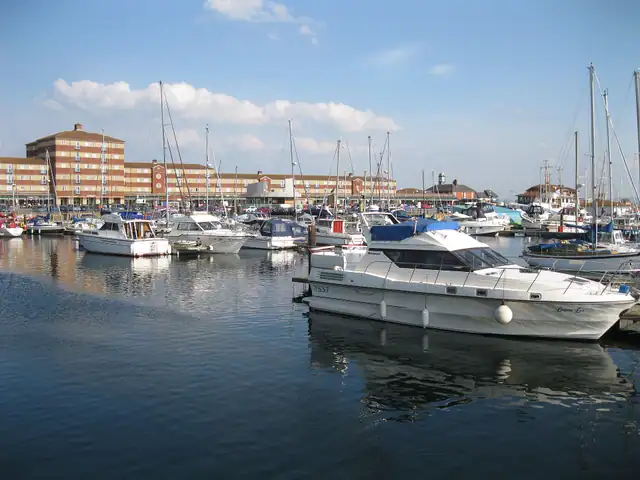
Around the marina, the National Museum of the Royal Navy and HMS Trincomalee draw visitors to restaurants, cafés, boat services and small shops, while the Headland and the promenade at Seaton Carew have their own seasonal trade. Takings are heavily weighted to summer weekends and school holidays.
A strong summer has to cover a quiet winter, including the Self Assessment balancing payment and first payment on account due on 31 January. VAT needs watching too, because registration is tested on a rolling 12 months and a good season can take a café or boat business over the £90,000 threshold part-way through the year. We track turnover monthly so you register at the right time, and then prepare your VAT returns through MTD-compatible software.
Is buy-to-let still worth it in the town’s terraced streets?
The town’s older terraced streets, from the roads around the town centre to those behind the seafront at Seaton Carew, have long attracted landlords looking for lower purchase prices. The returns can still work, but the tax treatment has tightened, and the numbers deserve a proper look before you buy another house or decide to sell.
Individual landlords can no longer deduct mortgage interest in full. Instead they get a 20% basic-rate tax credit, so a higher-rate taxpayer with heavily mortgaged houses can pay tax on more than their real profit. Some landlords hold new purchases in a limited company, which brings its own costs and extraction issues. When you sell, any capital gains tax on a UK residential property must be reported and paid within 60 days of completion. Our landlord accounting service covers the annual return, the 60-day report and the planning in between.
From April 2026, landlords and sole traders with combined gross property and self-employment income over £50,000 must also keep digital records and send quarterly updates under Making Tax Digital, with the threshold falling to £30,000 in April 2027. Rents from a house in Stockton-on-Tees to the south count towards that same figure; see every area we cover.